
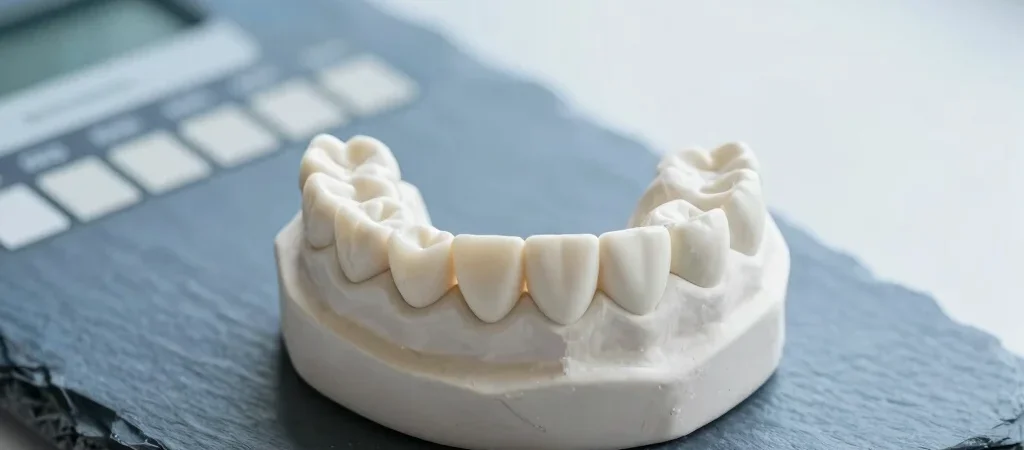
Discovering that a natural tooth needs a crown can raise questions about comfort, durability, and aesthetics. Modern restorative dentistry prioritizes preserving maximum natural tooth structure while reinforcing weakened areas with high-grade ceramic or porcelain materials. Understanding the process removes uncertainty and helps you make informed choices about your care.
Evaluating When a Crown Is Necessary
A dental crown acts as a protective cap placed over a damaged tooth. Dentists typically recommend crowns after extensive decay removal, following root canal therapy, or when structural cracks compromise a tooth's integrity. Rather than replacing the tooth entirely, a custom crown restores full chewing capability while preserving the underlying root structure.
What Happens During Your Restorative Visit
The process begins with precise digital imaging and gentle reshaping of the tooth surface under local anesthesia for optimal patient comfort. A detailed optical impression is taken to ensure your permanent crown matches the natural contour and shade of your surrounding teeth. Once placed, your modern crown blends seamlessly with your smile while providing long-term structural reliability.